
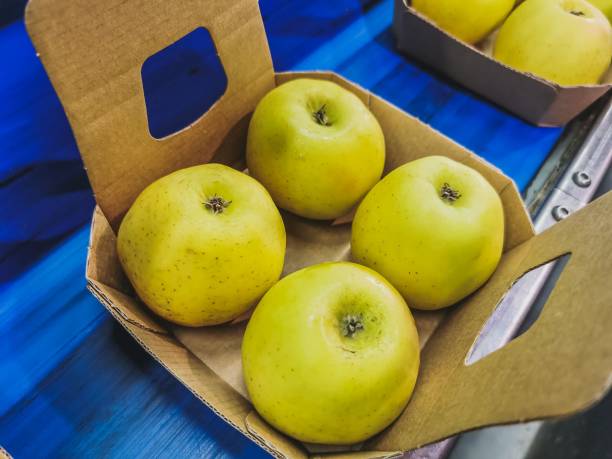
กล่องผลไม้คือบรรจุภัณฑ์หรือภาชนะที่ใช้ใส่และขนส่งผลไม้ โดยมักจะทำจากวัสดุที่ทนทาน เช่น กระดาษหรือการ์ดบอร์ดที่มีความหนาพอเหมาะที่จะรองรับน้ำหนักและขนาดของผลไม้ได้ ในบางกรณีอาจมีการเพิ่มแผ่นโฟมหรือวัสดุกันกระแทกเพื่อป้องกันการเสียหายของผลไม้ในระหว่างการขนส่ง และบางครั้งก็มีการออกแบบกล่องผลไม้ให้มีช่องรองรับสำหรับการวางผลไม้อีกด้วย โดยทั่วไปกล่องผลไม้จะมีขนาดที่เหมาะสมกับปริมาณและขนาดของผลไม้ที่จะบรรจุ และมักมีการออกแบบเพื่อให้มีรูปทรงที่สวยงามและน่าสนใจ เพื่อเพิ่มความสดชื่นและดึงดูดความสนใจจากผู้บริโภค
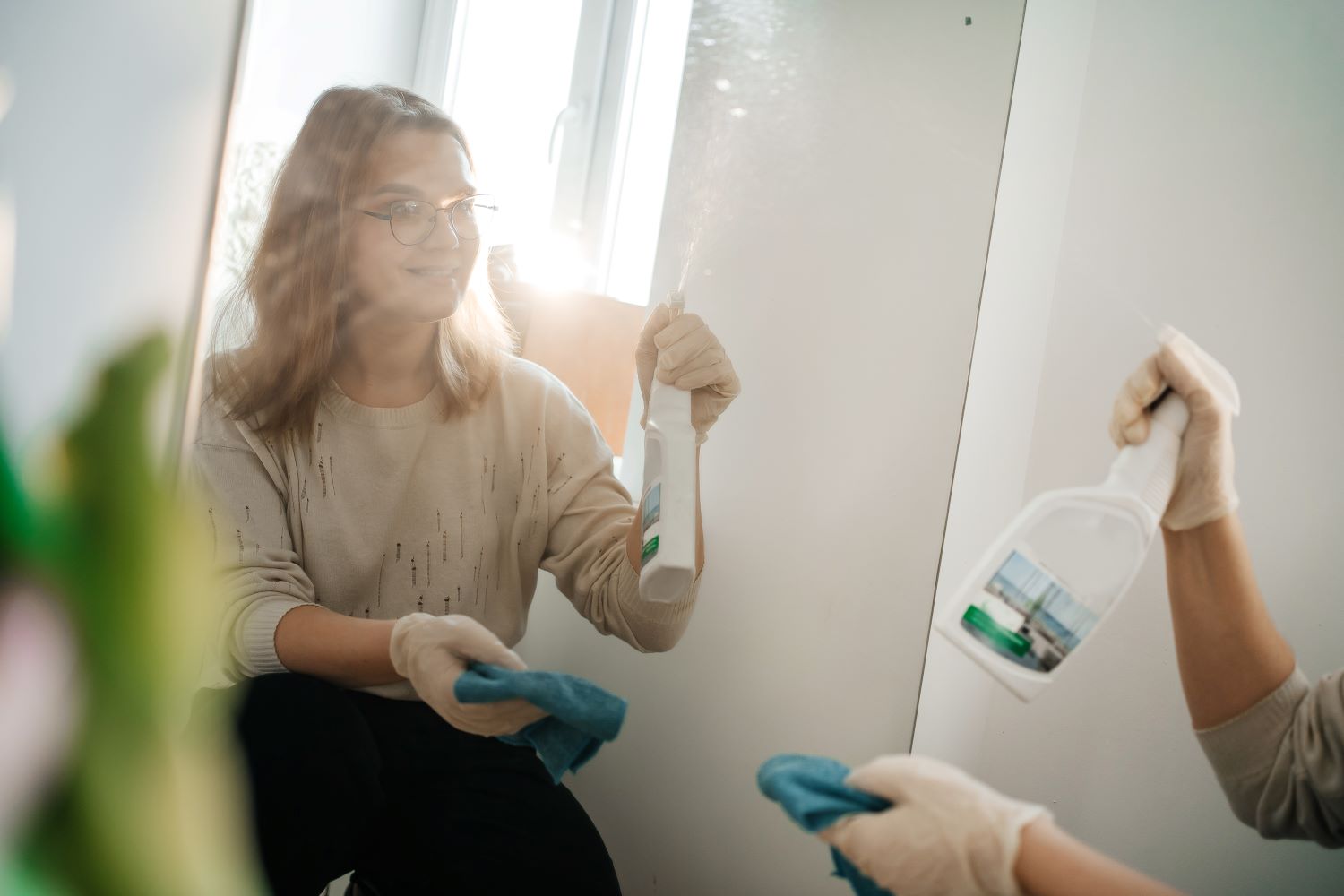
วิธีกำจัดเชื้อไวรัสในบ้านที่ได้ผลดีที่สุด
เพราะว่าเชื้อโรคนั้นกระจัดกระจายอยู่ในทุกพื้นที่ แม้แต่ในบ้านของเราที่คิดว่าทำความสะอาดทุกวันแล้วจะปราศจากเชื้อไวรัสต่างๆ ซึ่งเชื้อไวรัสเหล่านี้เป็นสิ่งที่น่ากลัวเพราะสามารถแพร่ทางอากาศได้ แถมเมื่อไปเกาะอยู่ตามเฟอร์นิเจอร์ต่างๆ ก็จะอยู่ได้ยาวนานหลายวันเลยทีเดียว ดังนั้นการทำความสะอาดแค่ดูดฝุ่น ถูพื้นก็อาจจะไม่เพียงพอ หรือว่าไม่สามารถฆ่าเชื้อไวรัสได้ วันนี้เรามาดูวิธีกำจัดเชื้อไวรัสในบ้านที่ได้ผลดีที่สุดกันเลย 1. เลือกใช้น้ำยาทำความสะอาดที่สามารถฆ่าเชื้อได้ สิ่งแรกสุดของการคลีนบ้านให้ปลอดเชื้อคือ การเลือก “น้ำยาทำความสะอาด” ที่เราต้องมั่นใจว่าน้ำยาทำความสะอาดนั้นสามารถฆ่าเชื้อไวรัสได้จริง น้ำยาทำความสะอาดสามารถหาได้ทั่วไปในบ้าน อาทิ สบู่, ผงซักฟอก, น้ำยาฟอกขาว หรือไฮเตอร์, เดทตอล, แอลกอฮอล์ 70% ฯลฯ ซึ่งให้สังเกตจากฉลากที่มีการระบุว่า ฆ่าเชื้อโรค, ฆ่าแบคทีเรีย หรือฆ่าเชื้อไวรัส 2. สวมเครื่องป้องกันระหว่างทำความสะอาด ไม่ว่าจะเป็นถุงมือ หน้ากากอนามัย รวมถึงรองเท้าบูท ควรสวมใส่ตลอดการทำความสะอาด เพื่อลดการติดเชื้อโดยไม่รู้ตัว อาจเพิ่มความระมัดระวังยิ่งขึ้นด้วยการอาบน้ำ สระผม เปลี่ยนเสื้อผ้าหลังทำความสะอาดเสร็จเรียบร้อย รวมทั้งการซักไม้ถูพื้น และผ้าที่ใช้ทำความสะอาดทันที 3. ทำความสะอาดบ่อยๆ อีกหนึ่งคำแนะนำในการทำความสะอาดบ้านที่กลายเป็นพื้นที่เสี่ยงคือ ความถี่ในการทำความสะอาด ซึ่งแนะนำให้ทำความสะอาดทุกวัน วันละครั้งครับ แต่หากคุณมีเวลาอาจเพิ่มความถี่เป็นวันละ 2 ครั้งจะช่วยสร้างความมั่นใจและให้บ้านสะอาดยิ่งขึ้น โดยการทำความสะอาดต้องใส่ใจในทุกจุด ตั้งแต่การกวาดและถูบ้าน เช็ดทำความสะอาดเฟอร์นิเจอร์ ราวบันได 4. […]

รูปแบบความคุ้มครองที่ได้รับความสนใจมากที่สุด ประกันรถยนต์ 2+
สำหรับใครที่กำลังมองหาและต้องการเลือกซื้อรูปแบบความคุ้มครองประกันภัยรถยนต์อยู่วันนี้สามารถเข้ามาเลือกซื้อได้ที่เว็บรู้ใจโดยเฉพาะประกันรถยนต์ 2+ ซึ่งเป็นหนึ่งในรูปแบบประกันรถยนต์ที่ได้รับความนิยมมากที่สุดในปัจจุบันเนื่องจากมีความคุ้มครองที่ครอบคลุมสำหรับค่าเบี้ยประกันถูกไม่ใช่เรื่องแปลกที่ทำให้ประกันรถยนต์ 2+ นี้ได้รับความสนใจและเป็นที่ชื่นชอบสำหรับผู้ขับขี่

เครื่องประดับที่ผู้หญิงต้องมี
สำหรับผู้หญิงแล้ว การมีเครื่องประดับนั้นเป็นสิ่งที่ควรอย่างมาก เพราะเครื่องประดับจะช่วยคอมพลีทลุคของเราให้สมบูรณ์แบบมากยิ่งขึ้น แค่การแต่งตัวด้วยเสื้อผ้าดีไซน์สวยอย่างเดียวคงไม่ชวนให้มองสักเท่าไร แต่หากเสริมด้วยเครื่องประดับที่สวยงามแล้ว บอกเลยว่าใครก็อดที่จะมองจ้องมาที่คุณไม่ได้ ซึ่งในวันนี้เราจะมาบอกเครื่องประดับที่ผู้หญิงควรมีติดบ้าน สร้อยคอ สร้อยคอ เป็นเครื่องประดับที่จะต้องมี ไม่ว่าจะเป็นสร้อยคอแบบยาวหรือแบบสั้น การเลือกสร้อยคอให้เข้าได้กับทุกชุด ถือว่าเป็นโจทย์ที่ยากมากในการเลือกเครื่องประดับ และเป็นสิ่งที่สายแฟชั่น สายออกงานทุกคนต้องการมากที่สุด ดังนั้นควรเลือกให้ดี เพื่อให้สามารถใช้งานได้อย่างหลากหลาย สร้อยข้อมือหรือกำไล สร้อยข้อมือ เป็นอีกหนึ่งเครื่องประดับที่จะทำให้ช่วงแขนของคุณดูเรียวยาวและมีความเด่นมากกว่าเดิม สำหรับการออกงานจะเลือกเป็นสร้อยข้อมือแบบบางล้อมเพชร หรือกำไล Platinum และกำไร Rose gold ที่มีการฝังเพชรไว้เป็นบางจุด ให้ดีไซน์ที่มีความทันสมัยและเข้ากับชุด ทั้งยังสวมใส่ในชีวิตประจำวันได้ แต่ถ้าเป็นงานใหญ่อาจจะต้องเลือกสร้อยข้อมือเพชรหรืออัญมณีและกำไลที่ใหญ่มากขึ้น เพื่อทำให้อลังการเหมาะสมกับชุดงานราตรีกลางคืนที่เลือกสวมใส่ แหวน การสวมใส่แหวนนั้นจะช่วยให้มือของคุณดูมีอะไรมากยิ่งขึ้น เพราะแหวนนั้นจะช่วยทำให้นิ้วดูเรียวยาวและเพิ่มความโดดเด่นให้กับช่วงแขนและนิ้วมากขึ้น ทั้งยังช่วยทำให้เห็นถึงบุคลิกของผู้สวมใส่ได้ค่อนข้างชัดเจน ควรมีแหวนสำหรับวันธรรมดาทั่วไป หรือจะเป็นแหวนเพชรดีไซน์เรียบหรูที่ทันสมัย เพื่อสามารถสวมใส่ในการออกงานได้ ต่างหู ต่างหูในปัจจุบันจะมีอยู่ด้วยกันหลายรูปแบบ คุณเพียงเลือกให้เหมาะสมกับรูปหน้าของคุณ เช่น ต่างหูแบบห้อยที่มีความเรียวยาว จะเหมาะสำหรับผู้ที่มีใบหน้ากลม ต่างหูห่วงหรือกลมจะเหมาะกับผู้ที่ใบหน้าเหลี่ยม และต่างหูแบบฝังเม็ดจะเหมาะสำหรับผู้ที่มีใบหน้ารูปไข่ เป็นต้น ซึ่งต่างหูกะช่วยเพิ่มลุคของเราได้ เราสามารถเลือกสวมใส่ต่างหูดีไซน์ต่างๆ ที่จะช่วยเสริมลุคนั้นๆ ให้คอมพลีทมากยิ่งขึ้น นาฬิกา นาฬิกา นอกจากจะเป็นไอเทมที่ใช้ประโยชน์ในการดูเวลาได้แล้ว ยังสามารถกลายเป็นเครื่องประดับแสนเก๋ได้ […]
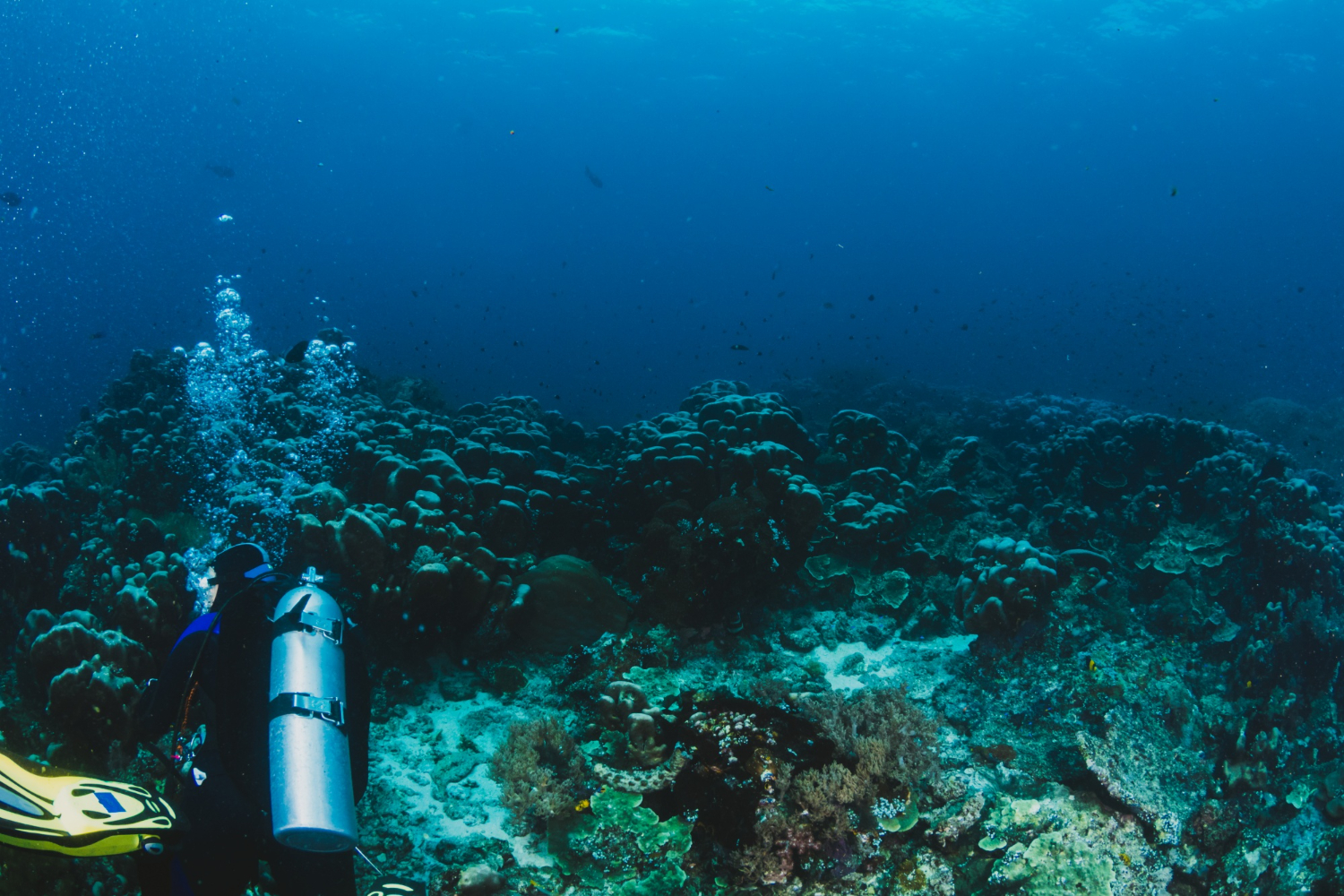
แนวปะการัง: การศึกษาเพื่อการอนุรักษ์
แนวปะการังเป็นระบบนิเวศที่สำคัญและมีความหลากหลายทางชีวภาพสูง เป็นแหล่งที่อยู่อาศัยของสิ่งมีชีวิตหลากหลายชนิด ทั้งพืชและสัตว์ เป็นแหล่งอาหาร แหล่งท่องเที่ยว และเป็นแหล่งรายได้ที่สำคัญสำหรับชุมชนชายฝั่ง อย่างไรก็ตาม แนวปะการังทั่วโลกกำลังเผชิญกับภัยคุกคามจากหลายด้าน เช่น การเปลี่ยนแปลงสภาพภูมิอากาศ มลภาวะ การท่องเที่ยวที่มากเกินไป การประมงที่ผิดกฎหมาย และการลักลอบจับสัตว์น้ำ การอนุรักษ์แนวปะการังจำเป็นต้องอาศัยความร่วมมือจากทุกภาคส่วน ทั้งภาครัฐ ภาคเอกชน และภาคประชาสังคม การศึกษาและการสร้างความรู้ความเข้าใจเกี่ยวกับแนวปะการังจึงมีความสำคัญอย่างยิ่งในการสร้างความตระหนักรู้และกระตุ้นให้เกิดการมีส่วนร่วมในการอนุรักษ์ การศึกษาเกี่ยวกับแนวปะการังสามารถแบ่งออกเป็น 2 ระดับ ได้แก่ ระดับพื้นฐานและระดับผู้เชี่ยวชาญ การศึกษาระดับพื้นฐานมีวัตถุประสงค์เพื่อให้ความรู้ความเข้าใจเกี่ยวกับแนวปะการังแก่สาธารณชนทั่วไป ครอบคลุมเนื้อหาเกี่ยวกับโครงสร้างและองค์ประกอบของแนวปะการัง ชนิดของแนวปะการัง หน้าที่และประโยชน์ของแนวปะการัง ภัยคุกคามต่อแนวปะการัง และแนวทางการอนุรักษ์แนวปะการัง การศึกษาระดับผู้เชี่ยวชาญมีวัตถุประสงค์เพื่อให้ความรู้ความเข้าใจเกี่ยวกับแนวปะการังแก่ผู้ที่สนใจศึกษาและทำงานด้านอนุรักษ์ ครอบคลุมเนื้อหาเกี่ยวกับชีววิทยาของแนวปะการัง นิเวศวิทยาของแนวปะการัง การวิจัยเกี่ยวกับแนวปะการัง และเทคนิคการอนุรักษ์แนวปะการัง การศึกษาเกี่ยวกับแนวปะการังสามารถดำเนินการได้หลายรูปแบบ เช่น การจัดอบรม การจัดนิทรรศการ การจัดค่ายเยาวชน การจัดโครงการอาสาสมัคร และการผลิตสื่อประชาสัมพันธ์ต่างๆ การจัดอบรมเป็นรูปแบบการศึกษาที่มีประสิทธิภาพในการถ่ายทอดความรู้และทักษะที่เกี่ยวข้องกับแนวปะการังให้กับผู้เข้าอบรม การจัดอบรมสามารถจัดขึ้นสำหรับกลุ่มเป้าหมายต่างๆ เช่น นักเรียน นักศึกษา ประชาชนทั่วไป และเจ้าหน้าที่ภาครัฐและเอกชน การจัดนิทรรศการเป็นรูปแบบการศึกษาที่ดึงดูดความสนใจของผู้ชมได้เป็นอย่างดี นิทรรศการเกี่ยวกับแนวปะการังสามารถนำเสนอข้อมูลและความรู้เกี่ยวกับแนวปะการังในรูปแบบที่หลากหลาย เช่น การจัดแสดงภาพถ่าย การจัดแสดงหุ่นจำลอง การจัดแสดงแบบจำลอง […]
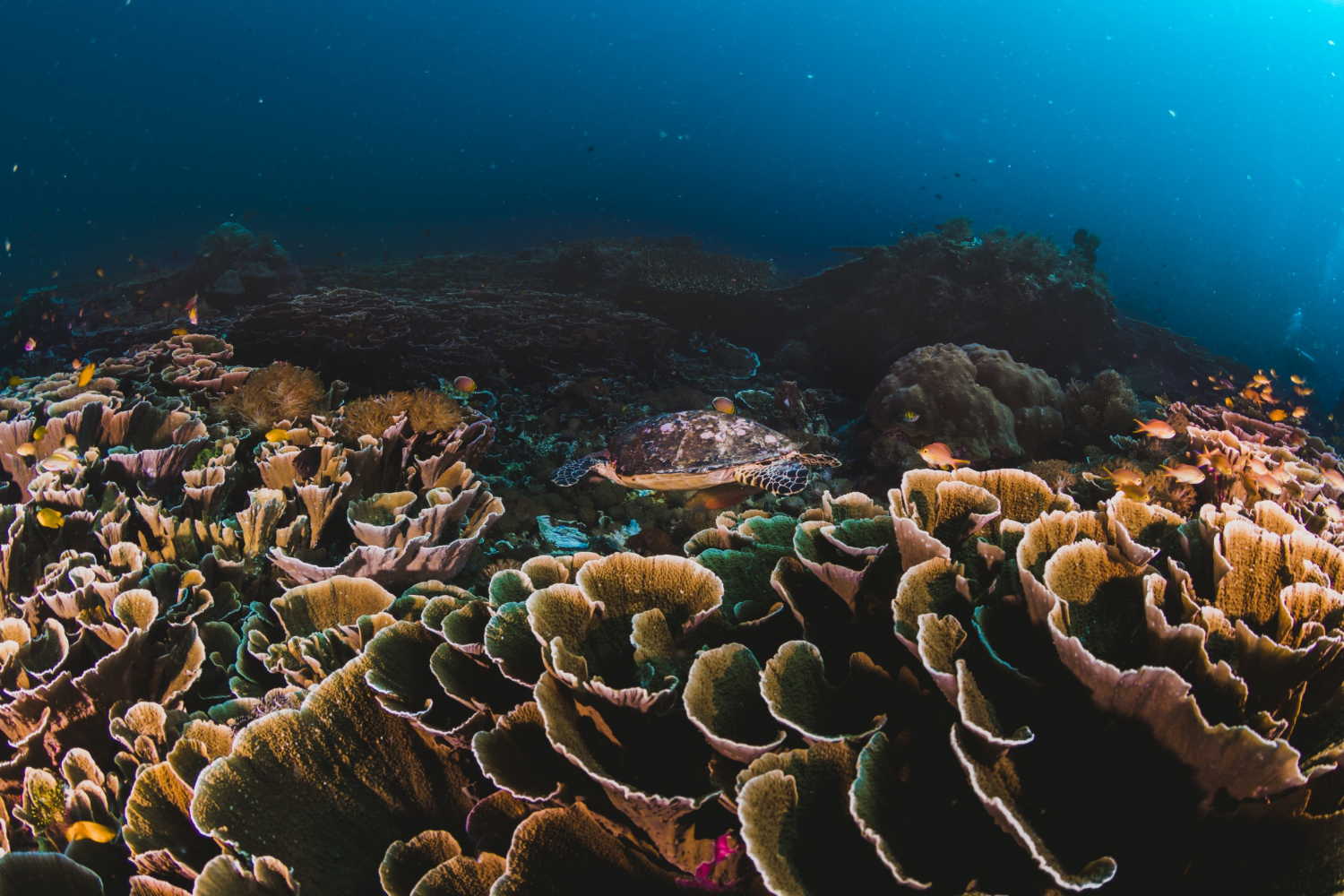
การรักษาแนวปะการังอย่างยั่งยืน: ความสมดุลระหว่างความงามและการอนุรักษ์
แนวปะการังเป็นระบบนิเวศทางทะเลที่มีความสำคัญอย่างยิ่ง เป็นแหล่งที่อยู่อาศัยของพืชและสัตว์ทะเลหลากหลายชนิด เป็นแหล่งอาหารและแหล่งท่องเที่ยวที่สำคัญของโลก อย่างไรก็ตาม แนวปะการังกำลังเผชิญกับภัยคุกคามมากมายจากกิจกรรมของมนุษย์ เช่น การประมง การทิ้งขยะ การปล่อยมลพิษ และการเปลี่ยนแปลงสภาพภูมิอากาศ การรักษาแนวปะการังอย่างยั่งยืนจึงมีความสำคัญอย่างยิ่ง เพื่อปกป้องความงามและความหลากหลายทางชีวภาพของแนวปะการัง และเพื่อให้แนวปะการังสามารถคงอยู่ต่อไปได้ แนวทางการรักษาแนวปะการังอย่างยั่งยืนมีดังนี้ 1. การกำหนดเขตการใช้ประโยชน์ การกำหนดเขตการใช้ประโยชน์ในแนวปะการังเป็นสิ่งสำคัญ เพื่อจัดสรรพื้นที่ให้กับกิจกรรมต่างๆ อย่างเหมาะสม โดยแบ่งเขตการใช้ประโยชน์ออกเป็น 4 เขต ได้แก่ 2. การลดและป้องกันปัญหาความเสื่อมโทรมของแนวปะการัง ปัญหาความเสื่อมโทรมของแนวปะการังสามารถแบ่งได้เป็น 2 ประเภทหลักๆ ได้แก่ แนวทางในการลดและป้องกันปัญหาความเสื่อมโทรมของแนวปะการัง ได้แก่ 3. การสนับสนุนให้มีการคุ้มครองแนวปะการัง การคุ้มครองแนวปะการังสามารถทำได้โดย 4. การศึกษาวิจัยเพื่อพัฒนาเทคโนโลยีการอนุรักษ์แนวปะการัง การศึกษาวิจัยเพื่อพัฒนาเทคโนโลยีการอนุรักษ์แนวปะการังเป็นสิ่งสำคัญ เพื่อช่วยให้สามารถฟื้นฟูแนวปะการังที่เสียหายให้กลับคืนสู่สภาพเดิมได้ เทคโนโลยีการอนุรักษ์แนวปะการังที่พัฒนาขึ้นในปัจจุบัน ได้แก่ การรักษาแนวปะการังอย่างยั่งยืนจำเป็นต้องอาศัยความร่วมมือจากทุกภาคส่วน ทั้งภาครัฐ ภาคเอกชน และประชาชนทั่วไป โดยทุกคนต้องตระหนักถึงความสำคัญของแนวปะการัง และมีส่วนร่วมในการอนุรักษ์แนวปะการัง เพื่อปกป้องความงามและความหลากหลายทางชีวภาพของแนวปะการัง และเพื่อให้แนวปะการังสามารถคงอยู่ต่อไปได้ ความสมดุลระหว่างความงามและการอนุรักษ์ การรักษาแนวปะการังอย่างยั่งยืนจำเป็นต้องให้ความสำคัญทั้งความงามและความหลากหลายทางชีวภาพของแนวปะการัง ความสวยงามของแนวปะการังเป็นสิ่งดึงดูดนักท่องเที่ยวจากทั่วโลกให้มาเยือน ก่อให้เกิดรายได้ทางเศรษฐกิจให้กับชุมชนท้องถิ่น อย่างไรก็ตาม ความสวยงามของแนวปะการังก็อาจถูกทำลายลงหากแนวปะการังได้รับความเสียหาย ดังนั้น […]
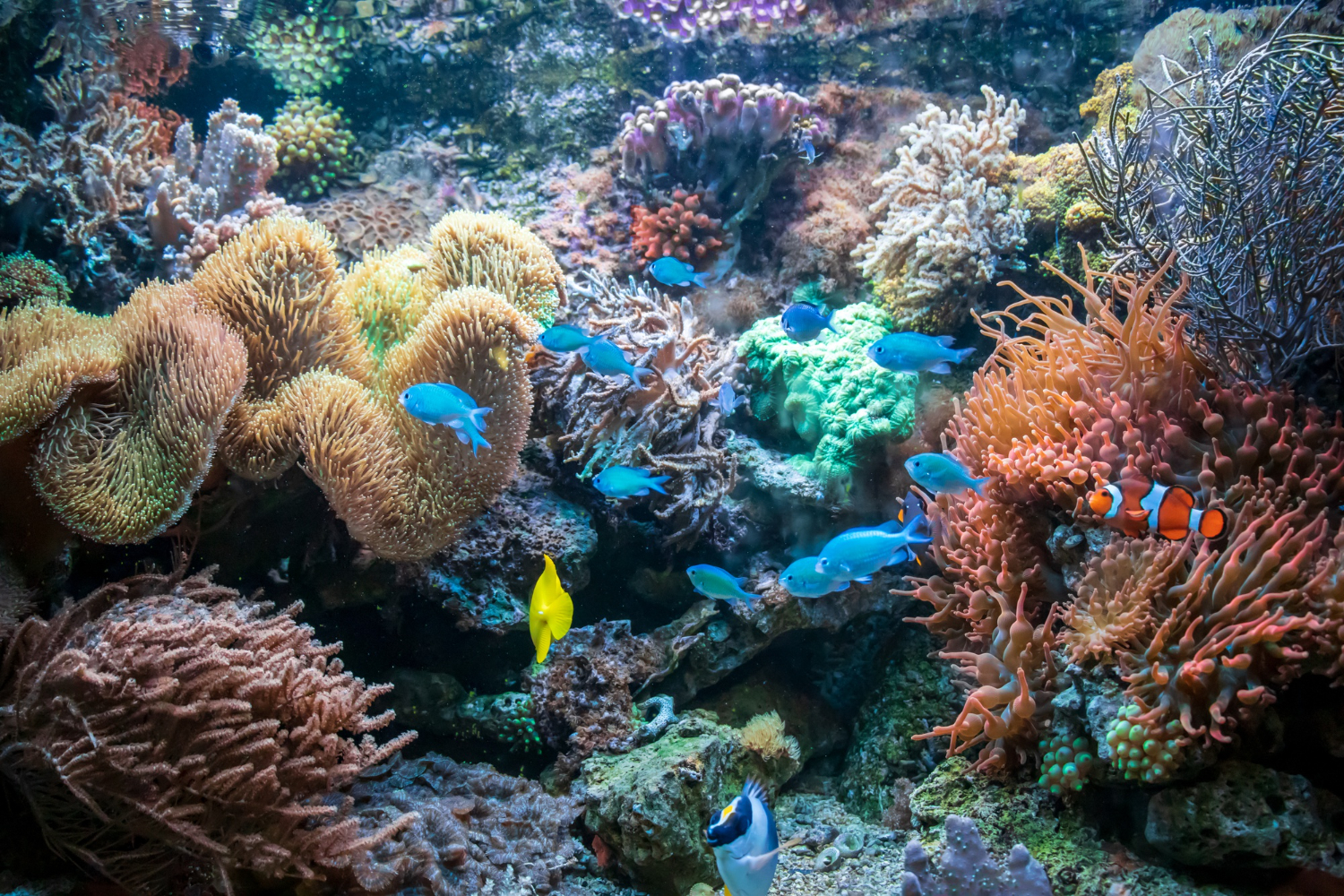
ความสำคัญของแนวปะการังในระบบนิเวศทางทะเล
แนวปะการังเป็นโครงสร้างทางธรรมชาติที่เกิดจากสิ่งมีชีวิตขนาดเล็กที่เรียกว่าปะการัง พบได้ในเขตร้อนและกึ่งร้อนทั่วโลก แนวปะการังเป็นระบบนิเวศที่มีความหลากหลายทางชีวภาพสูงที่สุดแห่งหนึ่งของโลก เป็นแหล่งที่อยู่อาศัยของสัตว์ทะเลกว่า 250,000 ชนิด รวมถึงปลา กุ้ง หอย ดาวทะเล ปะการังอ่อน และสัตว์อื่นๆ อีกมากมาย แนวปะการังมีความสำคัญต่อระบบนิเวศทางทะเลในหลายด้าน ดังนี้ แนวปะการังมีความสำคัญต่อระบบนิเวศทางทะเลและเศรษฐกิจของมนุษย์เป็นอย่างมาก อย่างไรก็ตาม แนวปะการังกำลังเผชิญกับภัยคุกคามต่างๆ เช่น การเปลี่ยนแปลงสภาพภูมิอากาศ การประมงที่มากเกินไป และมลพิษทางทะเล ภัยคุกคามเหล่านี้ทำให้แนวปะการังเสื่อมโทรมลงอย่างรวดเร็ว การอนุรักษ์แนวปะการังเป็นสิ่งสำคัญต่อการรักษาความหลากหลายทางชีวภาพและความมั่นคงทางอาหารของมนุษย์ มีหลายวิธีในการอนุรักษ์แนวปะการัง เช่น การจัดการประมงอย่างยั่งยืน การควบคุมมลพิษทางทะเล และการปลูกปะการังทดแทน ทุกคนสามารถมีส่วนร่วมในการอนุรักษ์แนวปะการังได้ โดยการลดการใช้พลาสติก สนับสนุนการท่องเที่ยวเชิงอนุรักษ์ และรณรงค์ให้ผู้อื่นตระหนักถึงความสำคัญของแนวปะการัง